
Artificial grass can become warm in direct sunlight during New Zealand summer conditions, but there are practical ways to make the surface more comfortable.
Shade, surrounding landscape design, airflow and temporary cooling with water can all make a difference, while the type of artificial grass you choose can also affect how much heat the surface absorbs.
In this guide, we’ll explain practical ways to keep artificial grass cooler in summer and when each approach is most useful.
Why Does Artificial Grass Get Hot?
Artificial grass can become warm because synthetic fibres absorb energy from direct sunlight. How warm the surface becomes depends on factors such as sun exposure, weather conditions, turf construction, shade, airflow and the materials surrounding the lawn.
Understanding these factors can help you decide which cooling measures will make the biggest difference at your property.
Choose Artificial Grass Designed for Comfort
If summer heat is an important consideration, think about the type of artificial grass before choosing your turf.
Some modern artificial grass uses heat-reducing yarn designed to reflect more of the sun’s infrared energy and reduce heat absorption compared with conventional synthetic turf. This won’t prevent the surface from becoming warm in direct sunlight, but it can help improve comfort.
This is particularly worth considering for lawns exposed to strong afternoon sun or areas regularly used by children, pets or around swimming pools.
Add More Shade
Reducing direct sunlight is one of the most effective ways to keep artificial grass cooler during hot weather.
Depending on your outdoor area, shade can be created with:
- Trees and planting
- Shade sails
- Pergolas
- Outdoor umbrellas
- Covered entertaining areas
You don’t necessarily need to shade the entire lawn. Providing shade over the areas used most often, particularly during the hottest part of the afternoon, can make the surface more comfortable for people and pets.

Create a Cooler Landscape
The materials and landscaping surrounding your artificial lawn can also affect how comfortable the area feels during summer.
Large areas of dark paving, concrete, masonry and other heat-absorbing surfaces can become very warm in direct sunlight and contribute additional heat around the lawn.
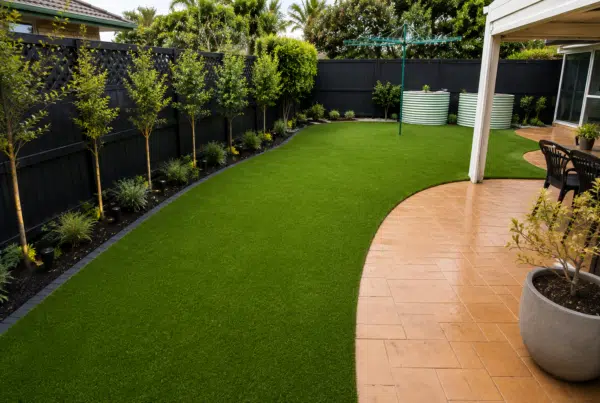
Where practical, use garden beds, planting and shaded areas to break up large expanses of hard landscaping. Trees and larger plants can also provide useful shade as the garden matures.
Thinking about the artificial lawn as part of the whole landscape, rather than as an isolated surface, can create a more comfortable outdoor area during hot weather.
Cool the Surface Before Use
On exceptionally hot days, lightly spraying artificial grass with water before use can temporarily reduce surface temperature.
This can be useful before children play outside or before entertaining guests.
While the cooling effect is temporary, it’s a simple way to improve comfort during the hottest part of the day.

Heat-Reducing Turf Can Help
If your lawn receives strong direct sunlight, heat-reducing artificial grass can be another part of the solution.
Unreal Lawns’ Cool Turf 5-in-1 Technology uses heat-reducing yarn designed to reflect more infrared energy and reduce heat absorption compared with conventional artificial grass.
It will still become warm in strong direct sunlight, so shade and the other practical measures in this guide remain useful. The technology is designed to reduce heat absorption, not eliminate heat completely.
Learn More About Artificial Grass and Summer Heat
For more information about artificial grass and summer heat, these guides explain the causes of surface heating, heat-reducing technology and how different turf options compare.
- Why Does Artificial Grass Get Hot? – Understand what causes artificial grass to heat up in direct sunlight.
- Cool Turf 5-in-1 Technology – Explore our heat-reducing artificial grass system and its complete 5-in-1 technology.
- How Cool Turf Technology Works – Learn more about the technology used to reduce heat absorption.
- Cool Turf vs Standard Artificial Grass – Compare Cool Turf with conventional artificial grass.
Frequently Asked Questions
How can I keep artificial grass cooler in summer?
Shade, surrounding landscape design, airflow and temporarily rinsing the surface with water can all help improve comfort during hot weather. Choosing artificial grass with heat-reducing yarn technology can also help reduce heat absorption.
Does shade help keep artificial grass cooler?
Yes. Reducing direct sunlight is one of the most effective ways to keep artificial grass cooler. Trees, shade sails, pergolas, umbrellas and covered outdoor areas can all provide useful shade during the hottest part of the day.
Can I spray artificial grass with water to cool it down?
Yes. Lightly spraying artificial grass with water can temporarily reduce the surface temperature on very hot days. The cooling effect is temporary, but it can improve comfort before children, pets or other users go onto the lawn.
Does artificial grass stay cool in full sun?
No. Artificial grass can still become warm or hot when exposed to strong direct sunlight for long periods. Heat-reducing turf can help reduce heat absorption, but it does not prevent the surface from warming completely.
Does the type of artificial grass affect how hot it gets?
Yes. Different artificial grass products can perform differently in direct sunlight. Fibre materials, pigments, construction and heat-reducing yarn technology can all influence how much solar heat the surface absorbs.
About the Author: Paul Gardner
Founder & NZ Turf Specialist at Unreal Lawns
Paul Gardner has spent years developing his knowledge of synthetic turf technology, including travelling internationally to study manufacturing, yarn engineering and playground safety systems. His experience helps shape the artificial grass and playground surfacing systems Unreal Lawns provides for New Zealand conditions.
Planning an Artificial Lawn for a Sunny Area?
If summer heat is an important consideration for your property, our team can help you compare artificial grass options and plan a lawn around your site’s sun exposure and how the area will be used.
Whether it’s a family backyard, pool surround or pet-friendly outdoor area, we can help you choose an artificial grass solution suited to your property.