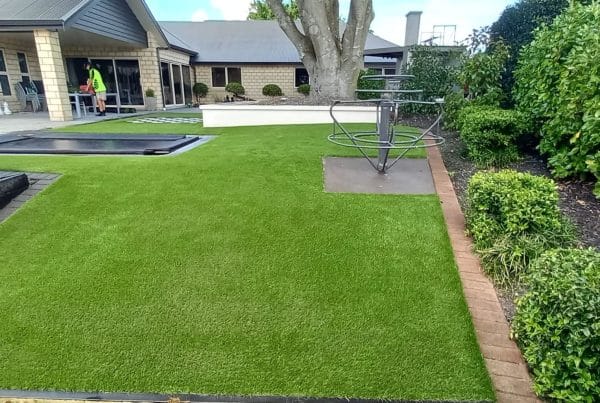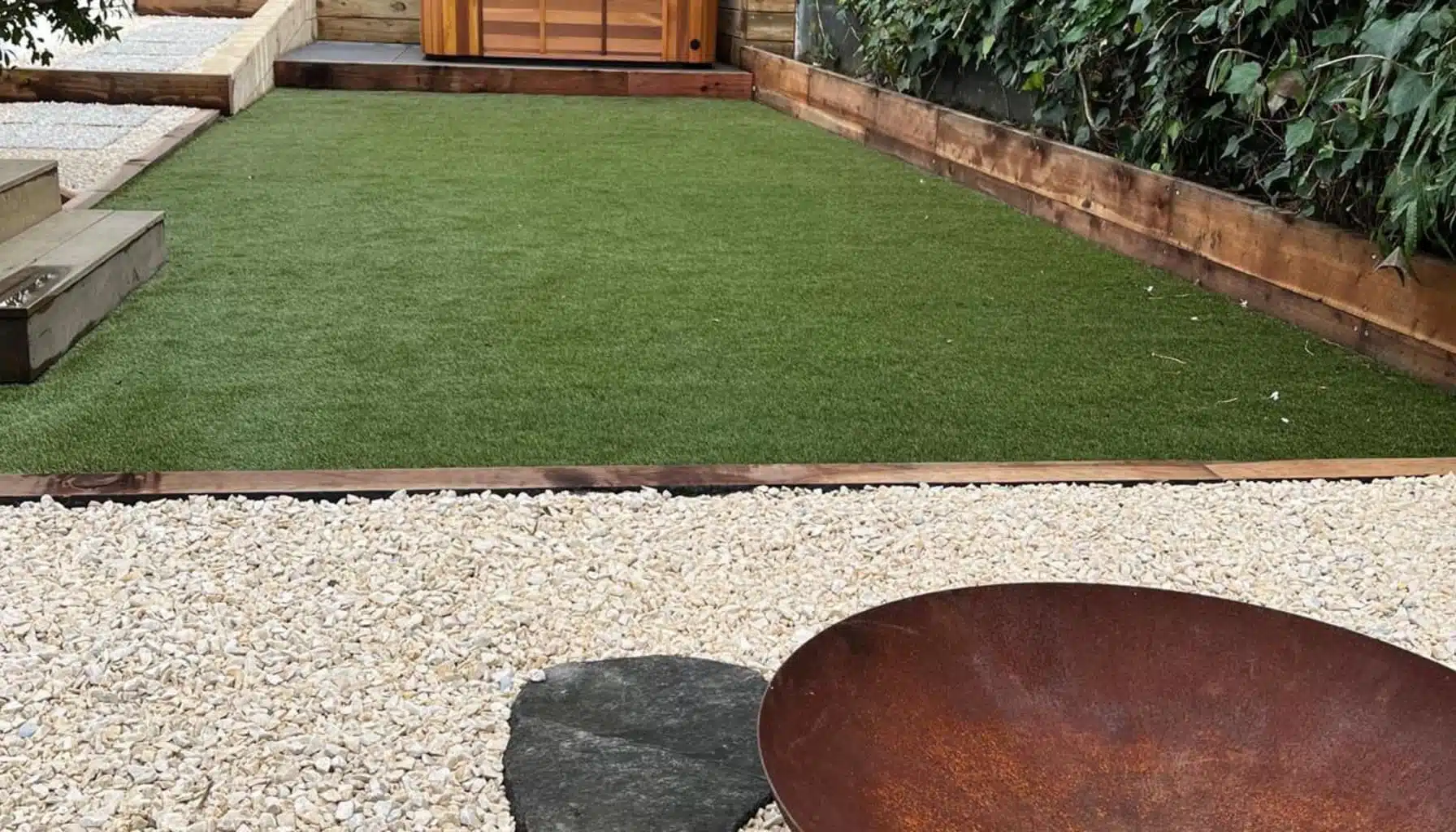

The best artificial grass installations are the ones where you can’t see the joins.
When artificial grass is installed, multiple pieces of turf often need to be joined together. If those joins are visible, they can affect the appearance of the lawn and make an artificial surface look less natural.
Learn why artificial grass seams matter, what causes visible joins, and how professional installation helps create a natural-looking result.
Why Artificial Grass Seams Matter
When artificial grass is installed, multiple pieces of turf often need to be joined together.
If those joins are visible, they can affect the appearance of the lawn and make an artificial surface look less natural. Poorly installed seams can also become weak points that may separate over time.
Understanding how seams are created can help homeowners make informed decisions when comparing artificial grass installation options.
What Makes a Good Artificial Grass Seam?
Accurate Cutting
Clean, precise cuts help minimise gaps and create a tighter join between turf sections.
Consistent Pile Direction
Artificial grass fibres should run in the same direction to maintain a natural appearance across the entire lawn.
Professional Joining Methods
Quality joining tape and adhesives help create strong, long-lasting seams that resist movement over time.
Proper Base Preparation
A stable, level base helps prevent movement beneath the turf and supports long-term seam performance.
Why Do Artificial Grass Seams Become Visible?
Visible seams are usually the result of one or more installation issues.
Common causes include:
• Poor base preparation
• Inconsistent pile direction
• Incorrect cutting techniques
• Gaps between turf sections
• Inferior joining materials
• Movement in the ground beneath the turf
In many cases, visible seams are preventable with careful planning and professional installation techniques.
How Professional Installers Create Invisible Seams
Creating an invisible seam requires attention to detail throughout the installation process.
Professional installers carefully:
• Prepare a stable base
• Align grass fibres in the same direction
• Cut turf accurately
• Use quality seam tape and adhesives
• Apply even pressure during joining
• Groom the finished surface
The goal is to create a lawn that appears as a single continuous surface rather than multiple joined sections.

Why Base Preparation Matters
Many homeowners assume seams are only affected by the joining process.
In reality, the base underneath the turf plays a significant role.
A stable, properly compacted base helps minimise movement and provides long-term support for the artificial grass system. Uneven surfaces or poor compaction can place stress on joins and make seams more noticeable over time.
Can DIY Installers Create Invisible Seams?
Some experienced DIY installers achieve excellent results.
However, seams are often one of the most challenging parts of artificial grass installation.
Creating a professional finish requires accurate measurements, specialised materials, careful cutting, and patience throughout the installation process.
For homeowners considering a DIY project, understanding seam construction before installation can help avoid common mistakes.

Common Artificial Grass Seam Mistakes
Some of the most common installation mistakes include:
• Joining turf with fibres facing different directions
• Using low-quality seam tape or adhesive
• Creating uneven gaps between sections
• Installing over an unstable base
• Rushing the finishing process
Avoiding these mistakes can significantly improve the final appearance of an artificial lawn.
Artificial Grass Seams FAQs
Can artificial grass seams be completely invisible?
When installed correctly, artificial grass seams can be extremely difficult to see. Accurate cutting, consistent pile direction, quality joining materials, and professional installation techniques all help create a seamless appearance.
Why do some artificial grass lawns show visible joins?
Visible joins are often caused by poor cutting, inconsistent pile direction, inadequate base preparation, or low-quality joining methods. In many cases, visible seams can be avoided with proper installation techniques.
Do seams become more noticeable over time?
A professionally installed seam should remain stable for many years. However, movement in the base, heavy wear, poor installation practices, or damage can make seams more noticeable over time.
Can visible seams be repaired?
In some situations, yes. Minor issues may be improved through professional repair work. The success of a repair depends on the condition of the artificial grass, the original installation quality, and the cause of the visible seam.
Are artificial grass seams a tripping hazard?
A properly installed seam should sit flush with the surrounding turf and not create a trip hazard. Poorly installed or damaged seams can become raised and may require professional attention.
Do professional installers use special seam tape and adhesives?
Yes. Professional installers typically use specialised seam tape and adhesives designed specifically for artificial grass applications. These products help create strong, durable joins that can withstand weather and regular use.
Is seam quality affected by weather conditions?
Weather can influence the installation process. Temperature, moisture, and site conditions can all affect adhesives and installation techniques. Professional installers take these factors into account when creating artificial grass seams.
Can DIY installers achieve professional-looking seams?
Some experienced DIY installers achieve excellent results. However, seams are often one of the most challenging aspects of artificial grass installation. Careful planning, accurate cutting, quality materials, and patience are essential for achieving a professional finish.
Related Resources
Learn more about our professional installation services and installation options.
Planning to install artificial grass yourself? Explore our DIY installation resources and support.
Synthetic Grass Installation NZ: Complete Step-by-Step Guide
Learn more about the complete artificial grass installation process from preparation through to finishing.
Ready to Learn More About Artificial Grass Installation?
Whether you’re planning a residential lawn, pet area, putting green, or commercial project, Unreal Lawns can help.
Our team can explain installation methods, answer your questions, and help you choose the right artificial grass solution for your property.