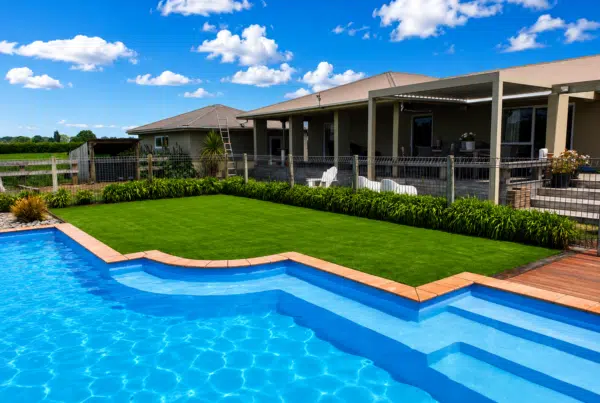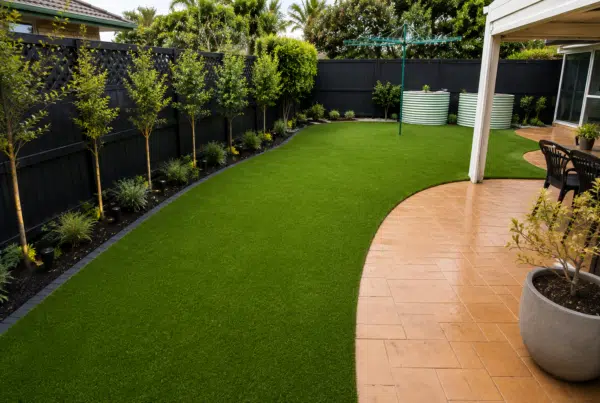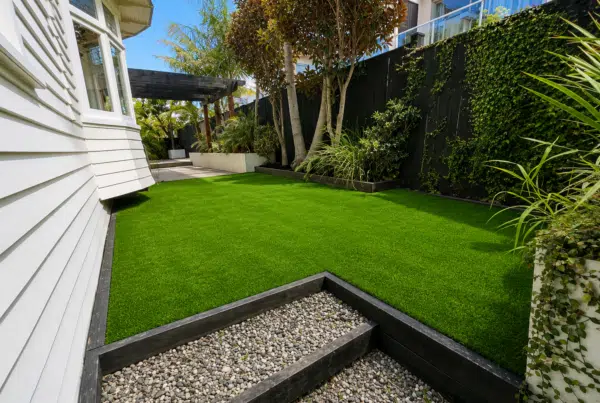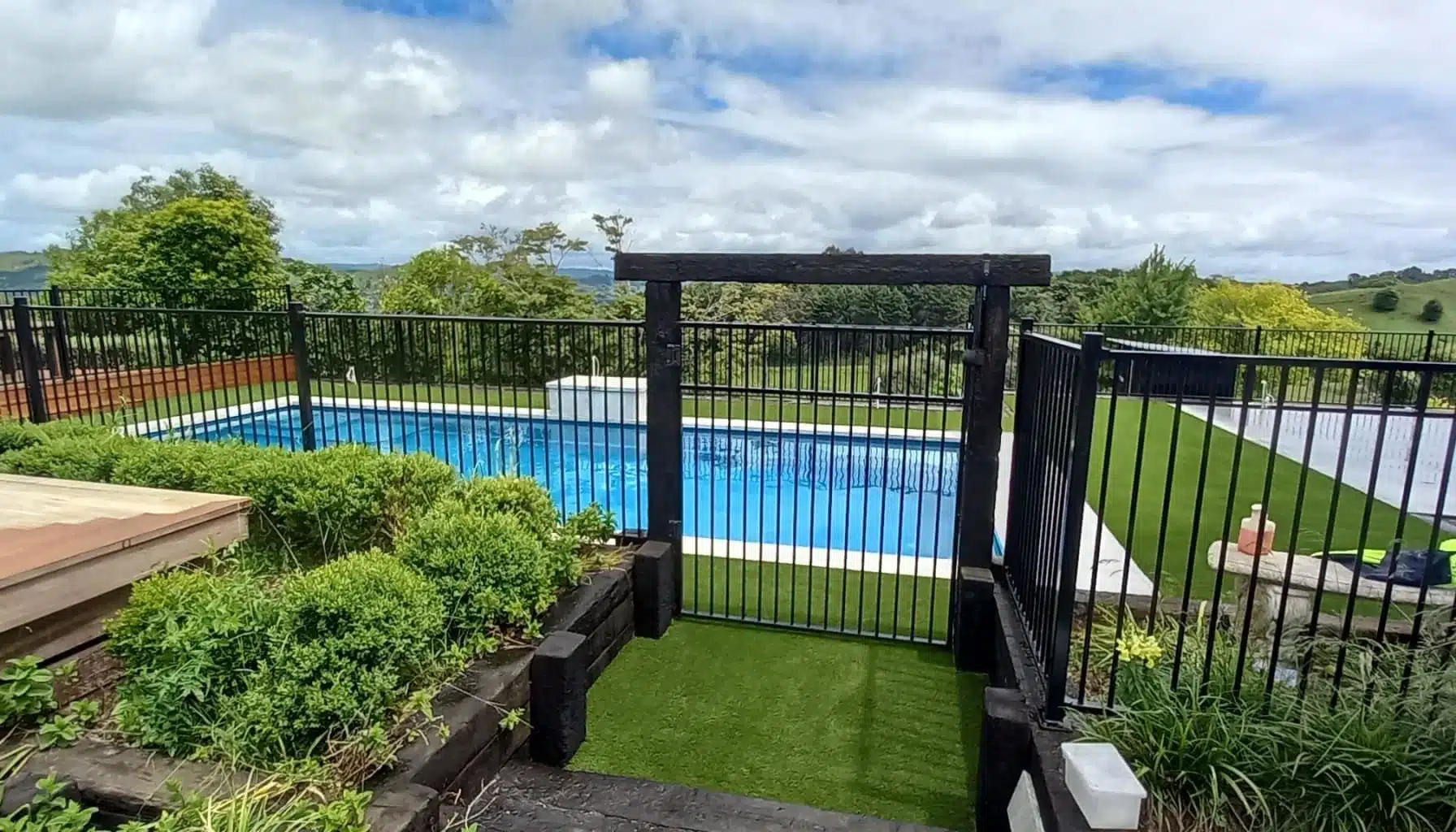

Yes, artificial grass can get hot in direct sunlight, particularly on warm, still summer days. Like decking, paving and other outdoor surfaces, synthetic turf absorbs solar heat and its surface temperature can rise above the surrounding air temperature.
How hot it gets depends on several factors, including the amount of direct sunlight, the type and colour of the turf fibres, airflow, shade and the materials surrounding the lawn. Not all artificial grass performs the same way, and modern turf technology can help reduce heat build-up compared with conventional synthetic grass.
In this guide, we explain why artificial grass gets hot, what affects its surface temperature and what to consider if heat is important when choosing artificial grass for your home, pets, pool area or playground.
Why Does Artificial Grass Get Hot in the Sun?
Artificial grass gets hot because its synthetic fibres absorb energy from direct sunlight. As the fibres absorb solar radiation, their surface temperature rises — just as it does with other outdoor materials such as paving, decking and concrete.
The amount of heat that builds up is not determined by air temperature alone. Two artificial lawns exposed to the same summer conditions can perform differently depending on the turf, the site and what surrounds it.
The main factors that affect artificial grass temperature include:
- Direct sunlight: Areas exposed to full sun for long periods will generally become warmer than shaded areas.
- Turf fibre and colour: The materials, pigments and construction of the synthetic fibres influence how much solar energy they absorb or reflect.
- Surrounding surfaces: Concrete, paving, walls and other hard surfaces can absorb and radiate additional heat around the lawn.
- Shade and airflow: Trees, buildings, fences and the orientation of the site affect both shade and air movement across the turf.
- Time of day and weather: Surface temperatures can change considerably depending on the intensity of the sun, cloud cover, wind and ambient temperature.
This is why there isn’t one temperature that artificial grass will reach in summer. Surface temperature depends on the turf system and the conditions at the individual site.
Can Some Artificial Grass Stay Cooler Than Others?
Yes. Artificial grass products can perform differently in direct sunlight because the fibres, pigments and manufacturing technology are not all the same.
Some modern synthetic turf uses infrared-reflective technology designed to reflect more of the sun’s infrared energy rather than absorbing it into the grass fibres. This can help reduce surface heat compared with conventional artificial grass under the same conditions.
At Unreal Lawns, our Cool Turf 5-in-1 Technology uses heat-reducing yarn as part of the turf system. The aim is not to make artificial grass stay completely cool in direct sunlight, but to reduce heat absorption and create a more comfortable surface during warmer conditions.


Does Cool Turf Stay Completely Cool in Direct Sun?
No. No artificial grass stays completely cool when exposed to strong direct sunlight for long periods.
Cool Turf will still warm up on hot, sunny days. Its heat-reducing yarn technology is designed to reduce heat absorption compared with conventional artificial grass, rather than prevent the surface from heating altogether.
This distinction is important when choosing artificial grass. Heat-reducing technology can improve surface comfort, but actual temperatures will still vary depending on sunlight, air temperature, wind, shade and the surrounding environment.
How Can You Keep Artificial Grass Cooler?
If your artificial lawn becomes warm during summer, practical measures such as shade, airflow, surrounding landscape design and temporarily rinsing the surface can help improve comfort.
Common Myths About Artificial Grass and Heat
Myth 1: Artificial grass is always too hot to use
Not necessarily. Surface temperature varies depending on the turf product, direct sun exposure, weather conditions, shade, airflow and surrounding surfaces.
Myth 2: All artificial grass gets equally hot
It doesn’t. Fibre materials, pigments, construction and heat-reflective technology can affect how different artificial grass products perform in direct sunlight.
Myth 3: Heat-reducing artificial grass never gets hot
Heat-reducing artificial grass can still become warm or hot in strong direct sunlight. The technology is designed to reduce heat absorption compared with conventional artificial grass, not eliminate heating completely.
Myth 4: Watering is the only way to cool artificial grass
No. Rinsing the surface can provide temporary cooling, but shade, airflow, landscape design and the type of artificial grass can also affect surface comfort.

Learn More About Artificial Grass and Heat
For more information about choosing artificial grass for warm, sunny areas, these guides cover the product, technology and practical cooling options in more detail.
Helpful resources:
Cool Turf 5-in-1 Technology – Learn about our heat-reducing artificial grass and the other technologies built into the Cool Turf system.
How to Keep Your Artificial Lawn Cool in Summer – Practical ways to improve artificial grass comfort during warmer weather.
How Cool Turf Technology Works – A more technical look at the fibres, materials and technology used in modern artificial grass.
Cool Turf vs Standard Artificial Grass – Compare Cool Turf with conventional artificial grass and decide which option suits your site.
Frequently Asked Questions
Why does artificial grass get hot?
Artificial grass gets hot because its synthetic fibres absorb energy from direct sunlight. Surface temperature is influenced by factors such as sun exposure, fibre construction, colour, airflow, shade and surrounding materials.
Does all artificial grass get equally hot?
No. Different artificial grass products can perform differently in direct sunlight. Fibre materials, pigments, construction and heat-reflective technology can all influence how much heat the surface absorbs.
Can heat-reducing artificial grass still get hot?
Yes. Heat-reducing artificial grass can still become warm or hot in strong direct sunlight. The technology is designed to reduce heat absorption compared with conventional artificial grass, not prevent the surface from heating completely.
Can artificial grass get too hot for bare feet?
It can. On very hot, sunny days some artificial grass surfaces may become uncomfortable for bare feet. Surface temperature varies depending on the turf product, weather conditions, shade, airflow and surrounding surfaces.
How can I keep artificial grass cooler in summer?
Shade, airflow, careful landscape design and temporarily rinsing the surface can all help improve comfort. For more practical advice, see our guide to keeping artificial grass cool in summer.
Planning Artificial Grass for a Sunny Area?
If heat is an important consideration for your project, our team can help you compare artificial grass options and choose a turf system suited to your site and how the area will be used.