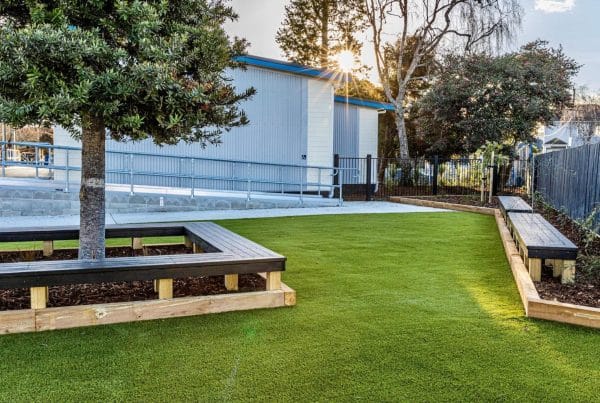

Does your lawn demand constant attention? Do you dream of a perfectly green outdoor space with minimal effort? Artificial turf could be the solution. As this artificial turf guide explains, modern synthetic turf is a practical alternative to traditional lawns, eliminating the need for regular mowing, watering, or fertilising. With its low-maintenance appeal and eco-friendly benefits, artificial turf is an ideal choice for busy homeowners and businesses looking to enjoy a great-looking lawn year-round with far less upkeep.
What Is Artificial Turf?
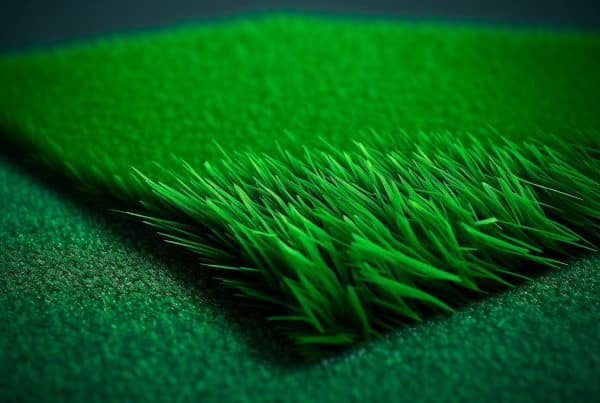
Artificial turf, also known as synthetic grass, is a modern landscaping solution designed to replicate the look and feel of natural grass without the ongoing maintenance. As outlined in this artificial turf guide, synthetic turf is made from durable fibres tufted into a strong backing system, creating a realistic, long-lasting lawn alternative.
Artificial turf is available in a range of pile heights, textures, and colours, allowing homeowners and businesses to choose a finish that suits their space, usage, and aesthetic preferences.
Types of Artificial Turf
There are two main types of artificial turf commonly used for landscaping and commercial applications.
Residential Artificial Turf
Residential artificial turf is designed for comfort, appearance, and everyday use. It is soft underfoot, low maintenance, and ideal for backyards, front lawns, play areas, and outdoor living spaces. High-quality residential synthetic grass is UV-resistant and durable enough to withstand regular foot traffic, children, and pets.
Homeowners can choose from different pile heights depending on their needs. Shorter pile turf works well in high-traffic areas, while longer pile turf creates a more luxurious, natural-looking lawn. Residential artificial turf also features a perforated backing system to allow efficient water drainage, keeping the surface clean, dry, and puddle-free.
Modern residential synthetic grass is typically made using polyethylene fibres combined with a polyurethane backing. This combination creates artificial turf that closely mimics the look and feel of real grass while delivering excellent durability and performance.
Commercial Artificial Turf
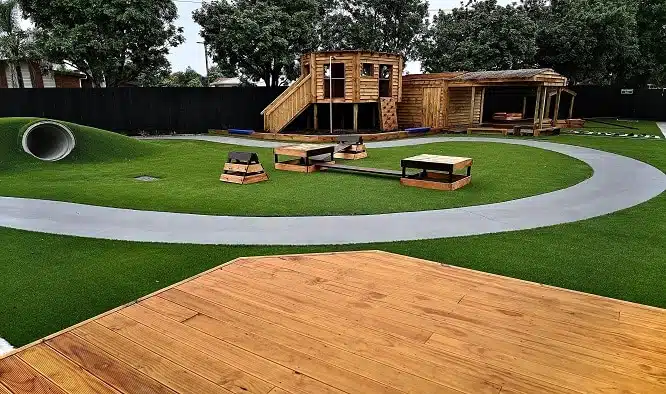
Commercial artificial turf is engineered for strength, resilience, and heavy use. It is commonly used in sports fields, playgrounds, walkways, schools, and high-traffic commercial environments. Stronger materials and denser construction allow commercial synthetic turf to withstand constant foot traffic without flattening or wearing down.
Commercial artificial turf is available in various pile heights and densities. Shorter, denser piles are ideal for high-impact activities, while longer piles provide a more visually appealing finish in public or decorative spaces. Many commercial turf systems also include enhanced drainage, shock absorption, and anti-microbial properties, particularly for playgrounds and sports applications.
Benefits of Artificial Turf Over Traditional Grass
Traditional lawns require ongoing care, including mowing, watering, fertilising, and weed control. Artificial turf eliminates much of this maintenance, making it a practical and cost-effective alternative over time. While the initial investment may be higher, the long-term savings and convenience make artificial turf an attractive option for busy households and commercial properties.
Save Money Over Time
Artificial turf significantly reduces water usage because it doesn’t require regular irrigation. Synthetic grass also eliminates the need for mowing equipment, lawn treatments, fertilisers, and weed control products. Over time, these savings can add up, making artificial turf a financially smart landscaping solution.
Environmental Benefits
Artificial turf supports water conservation by removing the need for frequent watering, particularly during dry periods. It also helps reduce environmental pollution, as there’s no need for chemical fertilisers or weed sprays that can run off into soil and waterways.
When professionally installed, artificial turf is designed to drain efficiently, much like natural grass. A light sand infill is often added during installation to support drainage, maintain blade structure, and enhance the natural look and feel of the turf.
Enjoy a Green Lawn All Year Round
Unlike natural grass, artificial turf stays green and vibrant throughout every season. It won’t turn brown in winter or struggle during drought conditions, allowing you to enjoy a neat, attractive lawn year-round regardless of weather.
Perfect for Busy Lifestyles
Synthetic grass removes the need for regular lawn care, freeing up time that would otherwise be spent mowing or maintaining outdoor spaces. With artificial turf, you can enjoy a consistently manicured lawn with minimal effort, making it ideal for busy households and commercial properties.
Ideal for Pets and Play Areas
Artificial turf provides a clean, safe surface for children and pets. It doesn’t produce mud, attract insects, or trigger common grass-related allergens. Synthetic grass is also pet-friendly and easy to clean, resisting brown patches and allowing simple rinsing to maintain a hygienic outdoor space.
Frequently Asked Questions About Artificial Grass
Even with all its benefits, many homeowners and businesses still have questions about artificial turf. Here are answers to some of the most common concerns:
Is Artificial Turf Safe for Kids and Pets?
Modern artificial turf uses non-toxic materials. It poses no risk to children or pets. Reputable manufacturers test their products rigorously and ensure that harmful chemicals are eliminated through the production process.
Additionally, synthetic grass provides an even, clean surface. This reduces the risk of trips and falls compared to uneven natural lawns. Polyethylene and polyurethane are used in the backing material and the artificial grass itself. These substances are among the safest of all plastic materials.
Does Artificial Turf Get Hot in Summer?
Like any surface, artificial turf can become warmer than natural grass under direct sunlight. However, it cools down quickly in the shade or with a quick rinse from the hose. Some high-quality turf products also have cooling technology for added comfort.
Does Artificial Grass Drain Well?
Artificial grass has perforations in the backing so water can pass through. Proper installation also includes a drainage base. This prevents water from building up and ensures your turf dries quickly after rain.
How Easy is Artificial Grass Maintenance?
Artificial turf maintenance is incredibly easy. You usually only need to rake or blow off leaves and debris weekly. Rinse the turf occasionally with a hose to remove dust and pet waste, and prevent any buildup. For high-traffic areas, a power broom can refresh the fibres.
Can I Install Artificial Turf Myself, or Should I Hire a Professional?
While you can attempt DIY installation, it’s still better to hire a professional installer. Experienced installers ensure correct ground preparation, seamless joins, and proper drainage. This prevents future problems. They also have product knowledge and guide you in selecting the best turf for your lawn. If you are installing the artificial turf on your own, here are some key points:
- You’ll have to remove 100mm of soil.
- You’ll have to secure some timber edging.
- You’ll have to lay geotextile cloth and use GAP20 to create a solid base and use GAP/7 to contour the top surface.
- There are some additional efforts that will involve laying the grass, stapling edges, glueing the seams, and brushing the turf to give it the final touches.
- To get the grass to drain efficiently, you’ll need to sprinkle some sand. The sand will also help it stand upright and enhance the natural appearance.
How Long Does Artificial Turf Last?
High-quality artificial turf can last for 15-25 years. Proper care and maintenance play a role in lifespan. Factors like usage frequency, foot traffic, and sun exposure also influence how long it lasts. Don’t worry. Most reputable manufacturers offer warranties on their products.
What Do I Do When My Artificial Grass Needs Cleaning?
Cleaning your artificial grass is super easy. You just need to clean it periodically with a hose or sprinkler, use a leaf blower to remove debris, and use a mild detergent/warm water solution and soft-bristled brush to clean stains promptly.
Install Artificial Turf for the Ultimate Low-Maintenance Lawn
If you’re tired of struggling with a demanding lawn, artificial turf is the answer. You’ll save time and money, and you’ll help Auckland’s sustainability efforts. Synthetic grass stays beautiful year-round, needs minimal care, and provides a safe play area. It’s the ideal upgrade for busy homeowners, businesses, and anyone who wants a gorgeous outdoor space without the hard work.