


Why Homeowners Choose Synthetic Grass
Synthetic grass has become one of New Zealand’s most popular landscaping solutions because it helps homeowners create attractive outdoor spaces with significantly less maintenance than natural grass.
Stays Green Year-Round
Enjoy a clean, attractive lawn regardless of weather conditions or seasonal changes.
Low Maintenance
No mowing, watering, fertilising, or patchy grass areas.
Pet & Family Friendly
A durable surface designed for children, pets, and everyday use.
Mud-Free Living
Reduce muddy footprints, worn patches, and lawn damage during wet conditions.
Modern synthetic grass products are designed to provide a natural appearance while delivering long-term performance in New Zealand conditions.
Is Synthetic Grass Right for Your Property?
Synthetic grass can be an excellent solution for many properties, but every project is different.
It may be suitable for:
✔ Family lawns
✔ Pet areas
✔ Courtyards
✔ Putting greens
✔ Playground spaces
✔ Commercial landscapes
✔ Difficult-to-maintain grass areas
At Unreal Lawns, we believe customers should have the information they need to make informed decisions about whether synthetic grass is the right solution for their property.
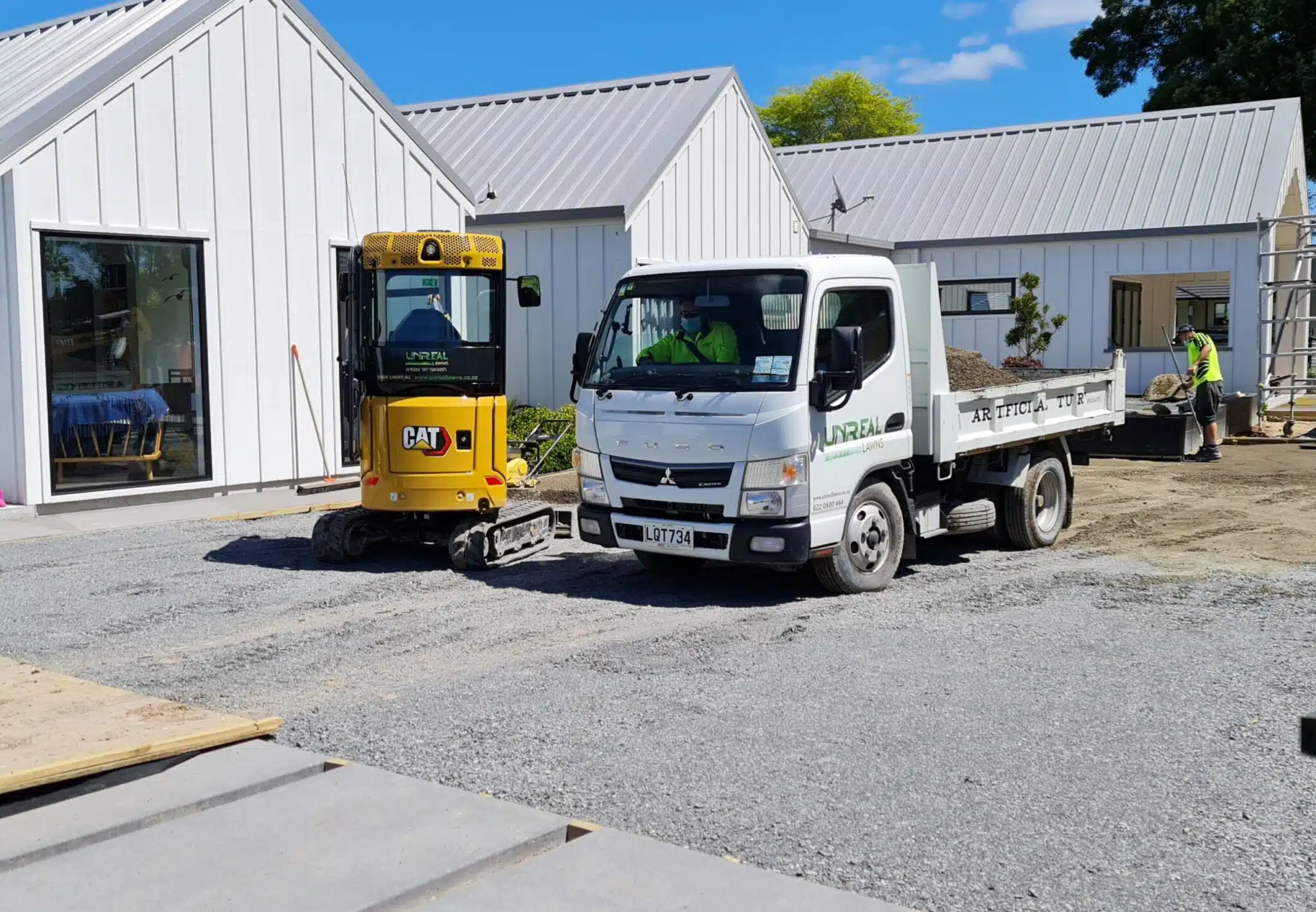
Planning Your Synthetic Grass Installation
Every successful artificial grass installation starts with proper planning.
Site Assessment
Accurate measurements help determine turf quantities, base materials, and installation requirements.
Drainage Planning
Good drainage is essential for performance, usability, and long-term durability.
Ground Preparation
Existing ground conditions influence excavation requirements, base construction, and installation methods.
Intended Use
Family lawns, pet areas, putting greens, and commercial spaces often require different installation approaches.
Every project is different. Understanding site conditions before installation helps avoid costly issues later.
Choosing the Right Synthetic Grass
Not all synthetic grass products are the same.
When comparing options, consider:
Colour & Appearance
Multi-tone fibres often create the most realistic appearance.
Pile Height
15-30mm → High-use areas
30-40mm → Residential lawns
40mm+ → Softer premium appearance
Fibre Technology
Modern yarn technologies can improve durability, recovery, and comfort.
Drainage Performance
Effective drainage supports long-term performance and usability.
UV Protection
UV stabilisation is particularly important in New Zealand’s harsh sunlight conditions.

Choosing the Right Synthetic Grass
The right synthetic grass isn’t necessarily the most expensive option.
The best choice depends on how the area will be used, site conditions, maintenance expectations, and your budget.
Understanding these factors helps homeowners compare options and choose a solution that delivers long-term value.
Tools & Materials Required
✔ Utility knife
✔ Shovel
✔ Rake
✔ Plate compactor
✔ Geotextile cloth
✔ GAP20
✔ GAP7
✔ Joining tape
✔ Adhesive
✔ Infill
✔ Safety equipment
Having everything ready before starting helps ensure a smoother installation process.
The Synthetic Grass Installation Process
Every installation is different, but most professional installations follow a similar process.
Step 1
Site Assessment
Assess drainage, access, and ground conditions.
Step 2
Excavation
Remove approximately 100mm of existing material.
Step 3
Timber Edging Installation
Install edging to secure the perimeter.
Step 4
Geotextile Fabric
Install geotextile cloth to separate soil and base materials.
Step 5
Base Construction
Build a stable foundation using GAP20.
Step 6
Base Levelling
Apply GAP7 to create a smooth surface.
Step 7
Compaction
Compact the base for stability and drainage.
Step 8
Turf Positioning
Lay and position synthetic grass.
Step 9
Cutting & Trimming
Trim turf to fit the installation area.
Step 10
Seam Joining
Join sections using tape and adhesive.
Step 11
Perimeter Securing
Secure the turf around the edges.
Step 12
Grooming
Brush fibres upright.
Step 13
Infill Installation
Apply infill to support the turf system.
DIY vs Professional Installation
There is no one-size-fits-all answer.
Some homeowners enjoy tackling their own installation while others prefer the convenience and confidence of professional installation.
DIY Installation
✔ Lower upfront costs
✔ Flexible timing
✔ Personal satisfaction
✔ Suitable for experienced DIYers
✔ Requires excavation, drainage, and base preparation knowledge
Professional Installation
✔ Expert drainage solutions
✔ Proper base construction
✔ Professional finishing
✔ Site-specific recommendations
✔ Reduced installation risk
At Unreal Lawns, we help customers understand both options so they can choose the approach that best suits their project.
Why Drainage Matters
Drainage is one of the most important parts of any artificial grass installation.
Drainage Matters
Poor drainage can impact appearance, performance, and long-term durability.
Depending on site conditions, solutions may include:
✔ Improved grading
✔ Additional aggregate
✔ Drainage channels
✔ French drains
Every site is different, which is why professional assessment is important.
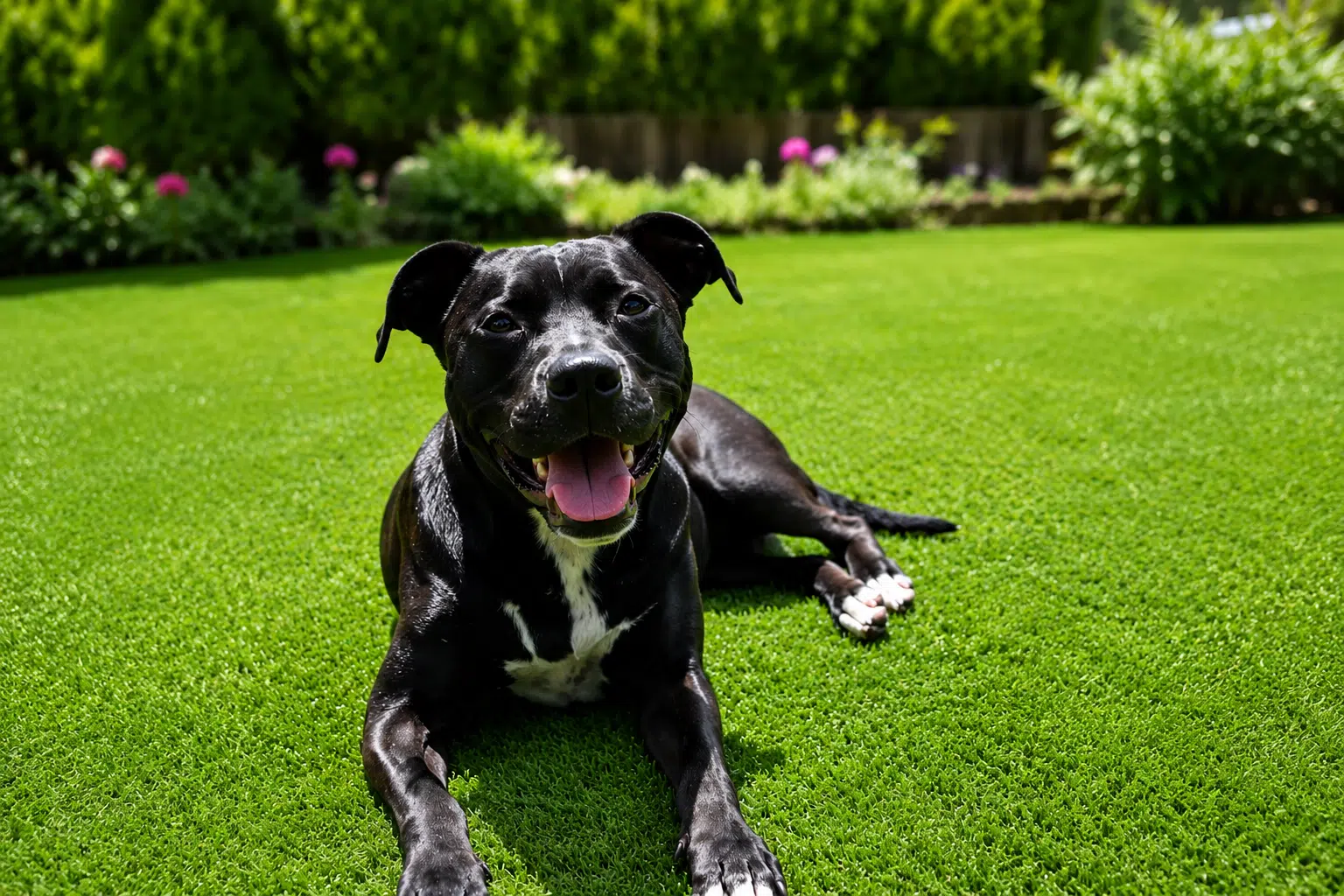
Zeolite for Pet-Friendly Installations
For pet owners, zeolite can be a valuable upgrade.
Pet Owner Tip
Zeolite is a natural volcanic mineral that helps absorb ammonia from pet urine and reduce odours.
Benefits may include:
✔ Reduced odours
✔ Improved hygiene
✔ Longer-lasting freshness
✔ Better performance in pet areas
Not every installation requires zeolite, but it can be an excellent option for households with dogs.
Managing Heat on Synthetic Grass
Modern synthetic grass technology has improved significantly.
Thinking About Heat?
Cooling yarn technology is designed to help reduce surface temperatures compared with standard artificial grass.
Additional heat management strategies include:
✔ Shade sails
✔ Pergolas
✔ Trees
✔ Light-coloured infill
✔ Occasional rinsing
If heat is a concern, our team can recommend suitable products for New Zealand conditions.

Synthetic Grass Maintenance After Installation
Artificial grass is low maintenance, not maintenance free.
Simple maintenance includes:
✔ Removing debris
✔ Occasional rinsing
✔ Brushing fibres
✔ Cleaning pet areas
✔ Inspecting high-use areas
Regular maintenance helps protect appearance and long-term performance.
Frequently Asked Questions
How long does synthetic grass last?
Most premium synthetic grass products can last 15–20 years or longer when properly installed and maintained.
Does synthetic grass drain well?
Yes. Proper base preparation, drainage design, and quality turf products support effective water drainage.
Is synthetic grass safe for pets and children?
Yes. Quality synthetic grass products are non-toxic, durable, and suitable for family environments.
Can synthetic grass be installed on concrete?
Yes. Artificial grass can be installed over concrete, pavers, decking, and other hard surfaces.
Does synthetic grass get hot?
Artificial grass can warm up in direct sunlight. Cooling yarn technology, appropriate infill, and shade solutions can help reduce surface temperatures.
What is zeolite and why is it used?
Zeolite is a natural volcanic mineral commonly used in pet-friendly installations to help absorb ammonia and reduce odours.
Ready to Discuss Your Synthetic Grass Project?
Whether you’re considering DIY installation or professional installation, our team can help you understand your options and recommend the right solution for your property.
At Unreal Lawns, we believe customers should have the information they need to make informed decisions about artificial grass.


