
Artificial Grass vs Real Grass: Key Differences
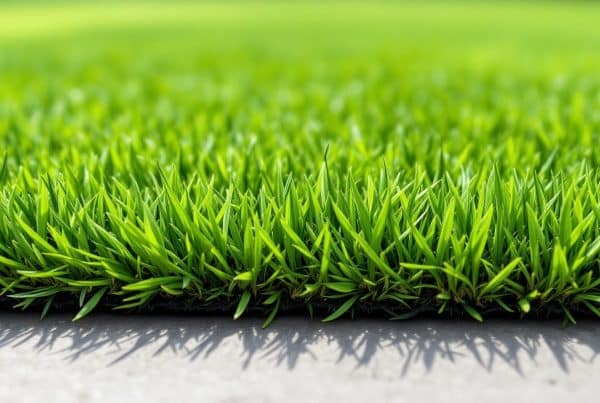
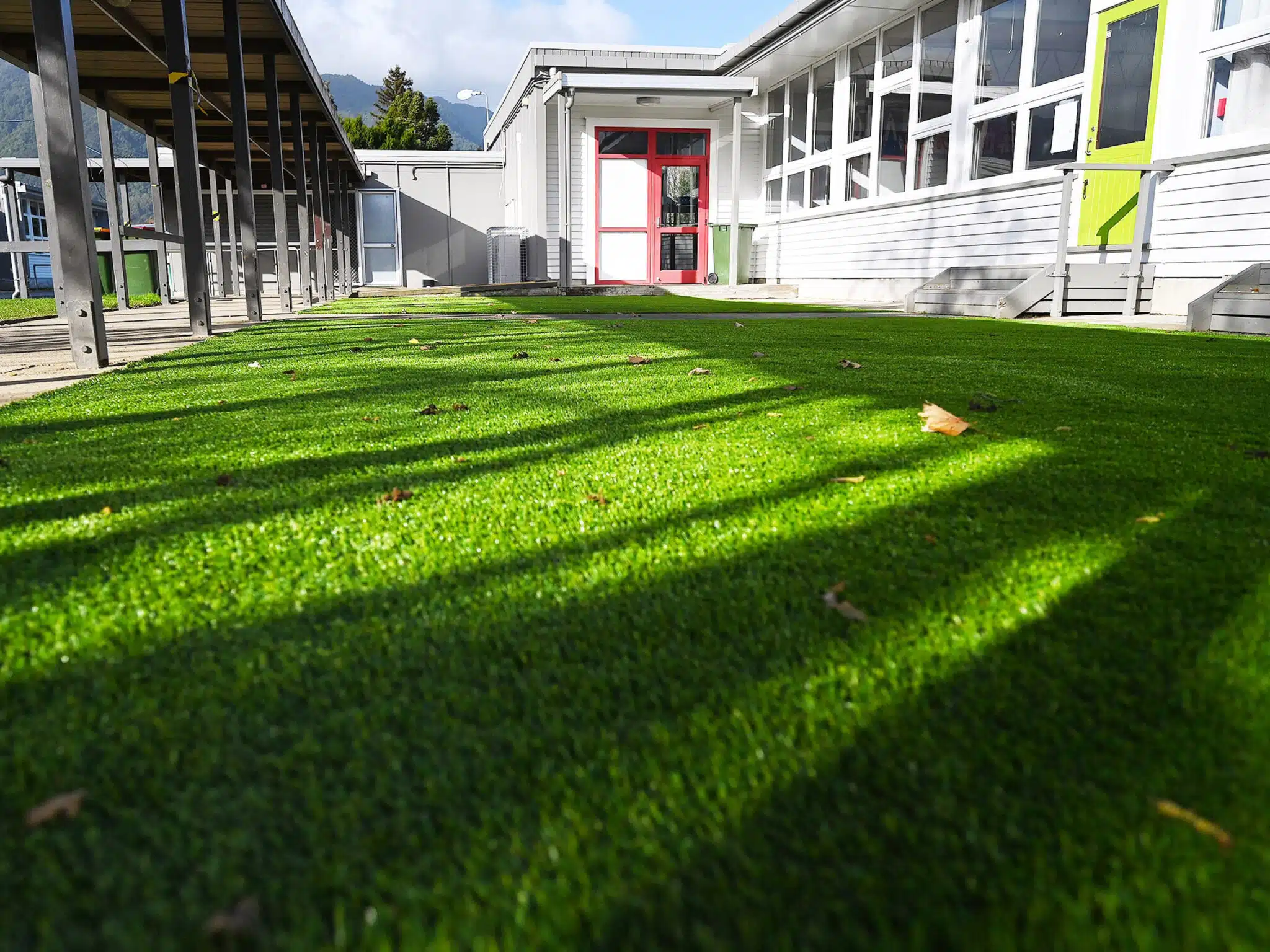
When comparing artificial grass vs real grass, most NZ homeowners want to know which option performs better long‑term. With modern turf technology improving every year, artificial grass now looks incredibly realistic, feels soft underfoot, and requires far less maintenance than a natural lawn. For many homes, schools, and commercial spaces, it’s becoming the smarter long‑term choice.
The choice between artificial grass vs real grass often comes down to maintenance, durability, and long‑term cost.
This guide helps NZ homeowners understand the real differences in the artificial grass vs real grass debate so they can make the best long‑term choice.
Why Artificial Grass Is Better Than Real Grass
You Don’t Have to Water It
One of the biggest advantages of artificial grass vs real grass is that it never needs watering. Natural lawns rely heavily on irrigation — especially during NZ’s dry summer months when councils often introduce water restrictions.
Artificial grass stays lush and vibrant all year without a single drop of hose water. This means:
- Lower water bills
- No sprinklers or timers
- No stress during droughts
Learn more about installation: 👉 https://unreallawns.co.nz/artificial-grass-installation
Forget Mowing
Real grass grows fast in warmer months, often needing weekly mowing just to stay tidy. Artificial grass removes this chore completely.
- No mower
- No petrol
- No early‑morning noise
- No overgrown patches
Your lawn stays perfectly manicured all year with zero effort.
Less Maintenance
When comparing artificial grass vs real grass, most NZ homeowners want to know which option performs better long‑term.
Real grass requires constant upkeep — mowing, watering, fertilising, weed control, edging, and seasonal repairs. Even with regular care, it can still develop bare patches and uneven growth.
Artificial grass eliminates almost all of that work. Maintenance is as simple as:
- A quick brush
- Occasional rinse
- Removing leaves or debris
Full care guide: 👉Artificial Turf Maintenance Tips for a Lush Lawn – Unreal Lawns
No More Mud
Natural lawns often become muddy, patchy, and waterlogged — especially in winter. Kids track mud inside, pets leave pawprints everywhere, and high‑traffic areas quickly turn into mess.
Artificial grass has a built‑in drainage system that prevents mud and puddles. Your lawn stays:
- Clean
- Dry
- Safe
- Usable in all weather
This is one of the most practical benefits of artificial grass for families and pet owners.
Mud control is one of the biggest deciding factors in the artificial grass vs real grass comparison for families with pets and kids.
Safe for Pets and Children
Artificial grass is designed to be a safe, family‑friendly surface. It’s:
- Non‑toxic
- Lead‑free
- Soft underfoot
- Free from prickles and allergens
No pesticides or fertilisers are needed — unlike real grass, which often requires chemical treatments.
For dog owners, artificial grass is especially convenient:
- Urine drains through
- Solid waste is easy to remove
- No digging
- No muddy paws
More info: 👉Artificial Grass for Dogs | Safe, Low-Mess Lawns | Unreal Lawns
Better for High‑Traffic Areas
Real grass struggles with heavy use. Foot traffic, pets, and kids can quickly wear it down, creating bare patches and compacted soil.
Artificial grass is built for durability:
- Fibres spring back into shape
- Reinforced backing
- No mud or soft spots
- Perfect for pathways, dog runs, schools, and childcare centres
It stays even, clean, and usable all year.
Perfect for Allergy Sufferers
Natural grass produces pollen, traps dust, and can harbour mould — all common triggers for hay fever and asthma.
Artificial grass creates a low‑allergen outdoor surface:
- No pollen
- No mud
- Fewer dust pockets
- Easy to rinse clean
NZ allergy info: 👉 https://healthnavigator.org.nz/health-a-z/h/hay-fever
Stays Green All Year
One of the biggest advantages of artificial grass vs real grass is its ability to stay green all year, regardless of weather.
Real grass often:
- Dries out in summer
- Turns patchy in winter
- Browns during droughts
- Requires constant watering and fertilising
Artificial grass stays:
- Vibrant
- Even
- Fresh
- Green 365 days a year
Whether it’s a backyard, rental property, childcare centre, or commercial space, you get a clean, evergreen lawn with little effort.
Artificial Grass vs Real Grass: Quick Comparison
When you compare artificial grass vs real grass side by side, the advantages of synthetic turf become even clearer.
| Feature | Artificial Grass | Real Grass |
|---|---|---|
| Watering | ❌ No watering needed | ✔ Requires regular watering |
| Mowing | ❌ No mowing ever | ✔ Needs weekly mowing |
| Mud | ❌ No mud or puddles | ✔ Muddy in winter |
| Allergies | ❌ Low‑allergen | ✔ Produces pollen |
| Durability | ✔ Handles heavy traffic | ❌ Wears out easily |
| Pets | ✔ Easy to clean | ❌ Gets muddy & patchy |
| Appearance | ✔ Green all year | ❌ Seasonal browning |
| Maintenance | ✔ Very low | ❌ High ongoing upkeep |
Final Word: Why Artificial Grass Wins
Artificial grass vs real grass is a common comparison for NZ homeowners, and the final takeaway is clear: artificial turf offers better long‑term performance, lower maintenance, and year‑round reliability.
Frequently Asked Questions About Artificial Grass
Is artificial grass better than real grass for New Zealand homes?
For many NZ homeowners, artificial grass is the better long‑term choice because it requires almost no maintenance, stays green all year, and performs well in high‑traffic or shaded areas. Real grass can look great, but it needs constant watering, mowing, fertilising, and seasonal repairs.
Many homeowners’ researching artificial grass vs real grass want simple, clear answers to the most common questions.
How long does artificial grass last?
High‑quality artificial grass typically lasts 15–20 years, depending on foot traffic and maintenance. Because it doesn’t wear out like real grass, it stays even, green, and tidy for much longer without needing replacement.
Is artificial grass safe for pets and children?
Yes — modern artificial turf is non‑toxic, lead‑free, and soft underfoot. It doesn’t require pesticides or fertilisers, making it safer than many real lawns. Pet urine drains through easily, and solid waste can be removed quickly.
Does artificial grass get hot in summer?
Artificial grass can warm up in direct sunlight, but modern turf is designed with cooling technology and lighter fibres to reduce heat absorption. A quick hose‑down cools it instantly on very hot days.
What are the main benefits of artificial grass?
The biggest benefits of artificial grass include:
- No watering
- No mowing
- No mud
- Low maintenance
- Year‑round green appearance
- Durable in high‑traffic areas
- Safe for pets and kids
Can artificial grass be installed on concrete or decking?
Yes — artificial grass can be installed on concrete, pavers, decking, tiles, and compacted base. This makes it perfect for courtyards, balconies, and small urban spaces where real grass can’t grow.
Does artificial grass drain well?
Quality artificial turf has a built‑in drainage system that allows water to pass through quickly. This prevents puddles, mud, and waterlogging — a major improvement over real grass during NZ’s wet winters.
Is artificial grass environmentally friendly?
Artificial grass reduces water use, eliminates chemical treatments, and removes the need for petrol‑powered mowing. While it is made from synthetic materials, its long lifespan and low maintenance make it a sustainable option for many households.