
The Pros and Cons of Fake Grass Explained
Fake grass has become one of the most popular landscaping solutions in New Zealand, and for good reason. Modern synthetic turf looks incredibly realistic, feels soft underfoot, and stays green all year without the constant maintenance that natural grass demands. Whether you’re renovating your backyard, upgrading a rental property, or looking for a cleaner, low‑maintenance outdoor space for pets and kids, fake grass offers a long list of benefits. But like any product, it also has drawbacks you should consider before making the investment.
When considering the pros and cons of fake grass, it’s essential to weigh the advantages against any potential drawbacks you might face.
This guide breaks down the pros and cons of fake grass so you can make an informed decision for your home.
The pros and cons of fake grass include its low maintenance and aesthetic benefits, as well as the initial investment costs.
If you’re considering transforming your outdoor area, our artificial grass installation services can help you create a long‑lasting, low‑maintenance lawn: unreallawns.co.nz/artificial-grass-installation
What Is Fake Grass?
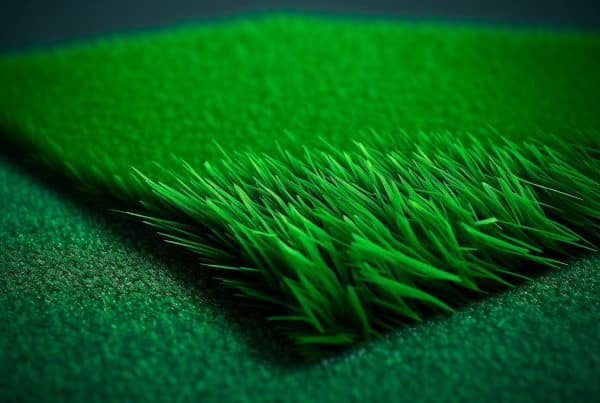
Fake grass — also known as artificial grass, synthetic turf, or astro turf — is a manufactured surface designed to mimic the look and feel of natural grass. It’s made from durable polyethylene or polypropylene fibres stitched into a backing layer with built‑in drainage holes.
Modern fake grass is engineered to:
- Look natural
- Feel soft and comfortable
- Resist UV fading
- Drain quickly
- Handle heavy foot traffic
- Stay green all year
Because of these improvements, more NZ homeowners are choosing synthetic turf as a long‑term alternative to real grass.
Pros and Cons of Fake Grass: The Benefits
Understanding the pros and cons of fake grass can help you decide if it’s the right choice for your needs.
Understanding the Pros and Cons of Fake Grass
1. Lower Water Bills
One of the biggest advantages of fake grass is the reduction in water usage. Natural lawns require regular watering — especially during NZ’s dry summers and council water restrictions.
With fake grass, you’ll enjoy:
When evaluating the pros and cons of fake grass, it’s essential to consider its environmental impact as well.
- No irrigation
- No sprinklers
- No dry patches
- No water bills caused by lawn care
This makes synthetic turf an eco‑friendly option for households wanting to reduce water consumption.
Explore our full range of artificial grass solutions: unreallawns.co.nz
2. Low Maintenance
Reviewing the pros and cons of fake grass will guide you to make an informed choice for your outdoor space.
If you’re tired of mowing, edging, fertilising, and weeding, fake grass is a game‑changer. Once installed, it requires very little upkeep.
Maintenance usually includes:
- A quick brush to lift the fibres
- Removing leaves or debris
- An occasional rinse if needed
No mowing. No fertiliser. No mud. No weekend lawn chores.
Overall, understanding the pros and cons of fake grass will lead to a more informed decision.
3. Perfect for Allergy Sufferers
For allergy sufferers, the pros and cons of fake grass become especially relevant when considering a low-maintenance landscaping option.
Grass pollen is one of the most common triggers for hay fever in New Zealand. Fake grass doesn’t produce pollen, making it ideal for people with allergies or asthma.
Benefits include:
- No pollen
- Less dust
- No mouldy soil
- No chemical sprays
For more NZ allergy information, visit: healthnavigator.org.nz/health-a-z/h/hay-fever
4. Safe for Pets and Children
When choosing between real and artificial options, knowing the pros and cons of fake grass is crucial.
Modern fake grass is designed to be family‑friendly. It’s:
- Non‑toxic
- Lead‑free
- Soft underfoot
- Free from prickles
- Chemical‑free
For dog owners, synthetic turf is especially convenient:
- Urine drains through
- Solid waste is easy to remove
- No muddy paws
- No digging holes
Learn more about artificial grass for dogs: unreallawns.co.nz/artificial-grass-for-dogs
5. Durable in High‑Traffic Areas
Evaluating the pros and cons of fake grass can highlight its durability in high-traffic areas.
Real grass wears out quickly in areas with heavy use. Fake grass is built to handle:
- Kids playing
- Pets running
- Foot traffic
- Outdoor furniture
- Pathways
The fibres spring back into shape, and the reinforced backing prevents bare patches or mud.
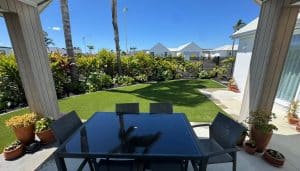
6. Works in Shaded or Difficult Areas
Real grass needs sunlight, good soil, and proper drainage. Fake grass doesn’t.
Ultimately, the pros and cons of fake grass depend on your specific circumstances and preferences.
It performs well in:
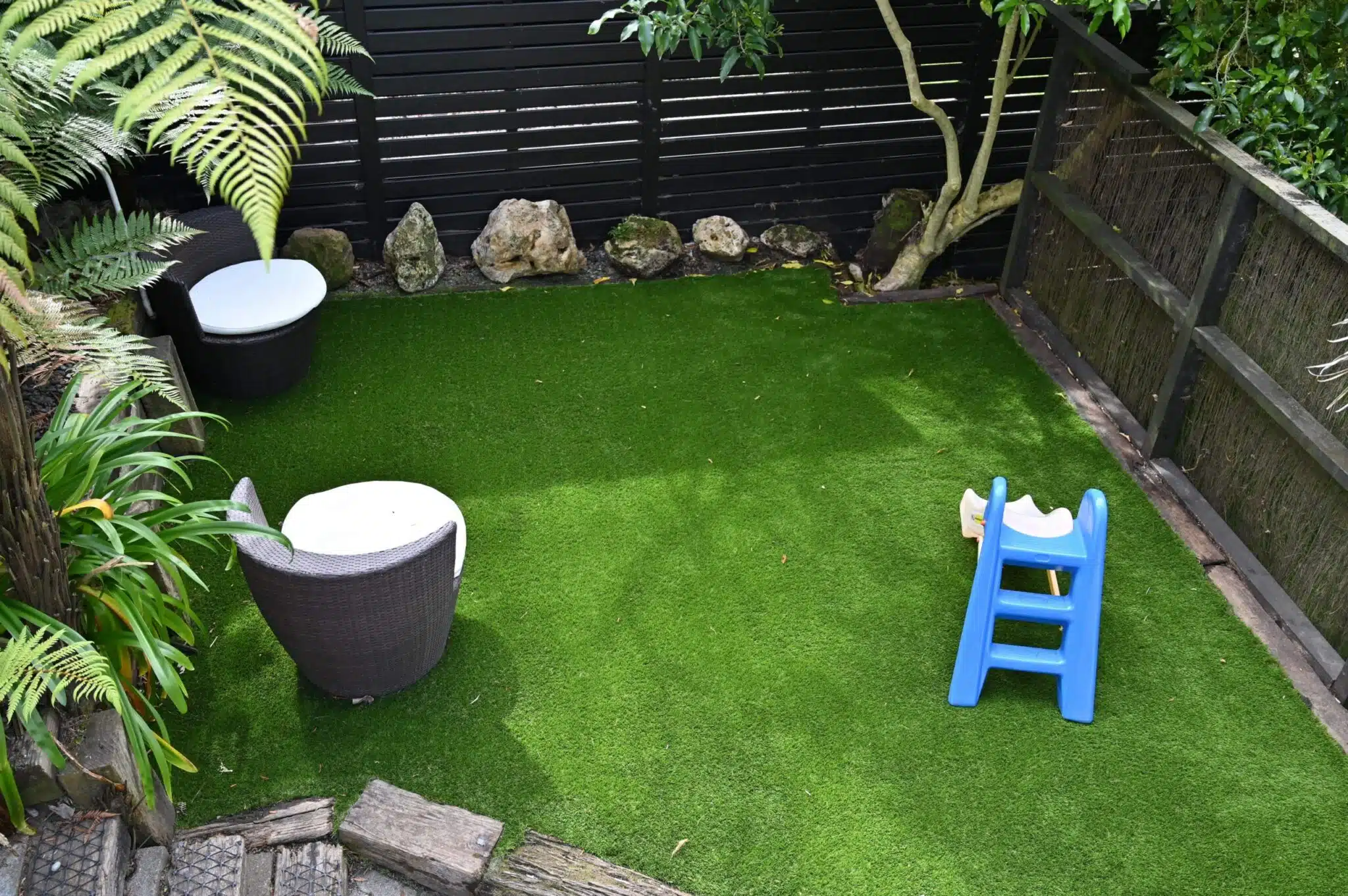
- Shaded areas under trees
- Courtyards
- Balconies
- Narrow strips beside driveways
- Areas with poor soil
- Damp or muddy zones
If you’ve struggled to grow real grass, synthetic turf is often the best solution.
7. Can Get Hot in Summer — But Cooling Yarn Helps
Learning about the pros and cons of fake grass will help you take advantage of modern landscaping options.
On very hot days, standard artificial grass can warm up in direct sunlight. This is more noticeable in darker turf colours or areas with no shade. However, many modern products now include cooling yarn technology, which helps reduce heat absorption and keeps the surface noticeably cooler than traditional synthetic turf.
At Unreal Lawns, several of our premium turf options use cool yarn fibres designed to reflect more sunlight and stay cooler underfoot. This makes a big difference during NZ’s hot, dry summer days and provides a more comfortable surface for kids, pets, and outdoor use.
Learn more about our installation options: unreallawns.co.nz/artificial-grass-installation
Quick ways to manage heat include:
- Choosing turf with cool yarn technology
- Adding shade sails or umbrellas
- A light hose‑down on extremely hot days
- Selecting lighter‑coloured turf varieties
With the right product choice, heat is far less of a concern than it used to be.
Cons of Fake Grass
Understanding the pros and cons of fake grass can mitigate concerns regarding its upfront costs.
1. Higher Upfront Cost
The biggest downside of fake grass is the installation cost. Factors that affect price include:
- Size of the area
- Type of turf
- Ground preparation
- Edging requirements
- Labour
However, many homeowners recover the cost over time through:
- Lower water bills
- No mowing
- No fertiliser
- No lawn repairs
2. Can Get Hot in Summer (Standard Turf)
As mentioned earlier, traditional artificial grass can heat up in direct sunlight. This is why choosing a cool yarn product is recommended if your lawn receives full sun.
Weighing the pros and cons of fake grass will ultimately lead to a better landscaping decision for your property.
3. No Natural Grass Smell
Some people love the smell of freshly cut grass. Fake grass doesn’t have that natural scent. For most homeowners, this is a minor trade‑off for the convenience and low maintenance.
4. Requires Proper Installation
If fake grass isn’t installed correctly, you may experience:
- Poor drainage
- Uneven surfaces
- Visible seams
- Wrinkles or lifting
This is why professional installation is recommended for long‑lasting results.
Fake Grass vs Real Grass: Quick Comparison
| Feature | Fake Grass | Real Grass |
|---|---|---|
| Watering | ❌ No watering needed | ✔ Requires regular watering |
| Mowing | ❌ No mowing ever | ✔ Needs weekly mowing |
| Mud | ❌ No mud or puddles | ✔ Muddy in winter |
| Allergies | ❌ Low‑allergen | ✔ Produces pollen |
| Durability | ✔ Handles heavy traffic | ❌ Wears out easily |
| Pets | ✔ Easy to clean | ❌ Gets muddy & patchy |
| Appearance | ✔ Green all year | ❌ Seasonal browning |
| Maintenance | ✔ Very low | ❌ High ongoing upkeep |
Frequently Asked Questions About Fake Grass
Does fake grass look real?
Yes — modern synthetic turf is designed to mimic the colour, texture, and movement of natural grass.
How long does fake grass last?
Most high‑quality turf lasts 15–20 years, depending on use and maintenance.
Is fake grass safe for pets?
Absolutely. It’s non‑toxic, drains well, and prevents muddy paws.
Can fake grass be installed on concrete?
Yes — it can be installed on concrete, decking, pavers, and compacted base.
Does fake grass drain well?
Quality turf has built‑in drainage holes that allow water to pass through quickly.
If you have more questions, feel free to contact Unreal Lawns: unreallawns.co.nz/contact-us
Final Word
Making a well-informed decision requires understanding the pros and cons of fake grass thoroughly.
Fake grass has both pros and cons, but for many NZ homeowners, the benefits far outweigh the drawbacks. It’s low‑maintenance, durable, safe, and stays green all year — making it an excellent long‑term investment.
If you’re considering upgrading your outdoor space, the Unreal Lawns team can help you choose the best turf for your home and provide a professional installation that lasts for years.
Consulting a professional about the pros and cons of fake grass can provide valuable insights.